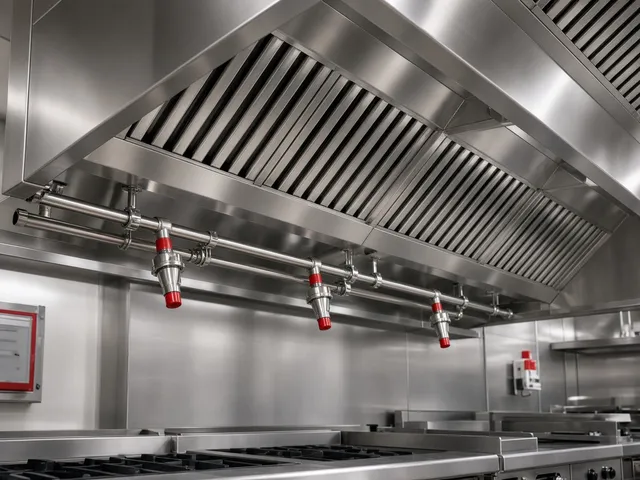
Why solid fuel is different
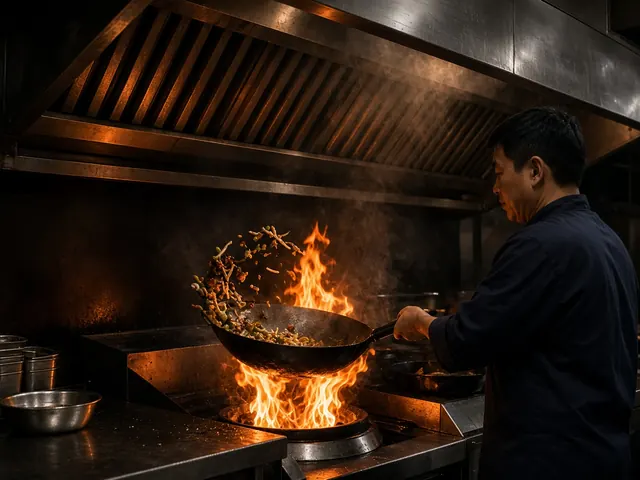
Burning wood or charcoal throws embers and produces creosote as well as grease. NFPA 96 has a dedicated chapter for solid-fuel cooking. One key difference: systems serving solid-fuel cooking operations are inspected for grease buildup monthly, the most frequent interval in its table.
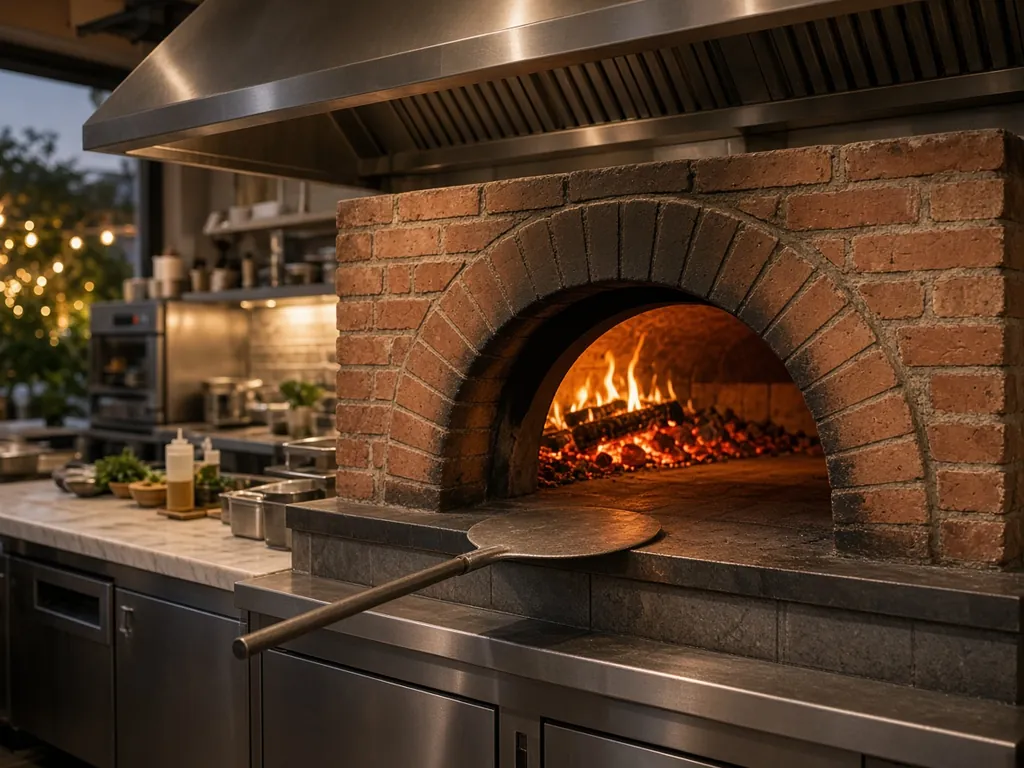
Spark arresters
Spark-arrestor filters or screens are designed to stop glowing embers before they reach the grease filters and duct. They're often fitted in front of the grease filter or combined with it. Choose products listed for solid-fuel use and follow the hood maker's arrangement.
Separate exhaust
NFPA 96 generally calls for solid-fuel appliances to have their own exhaust system, separate from other cooking exhaust, with limited exceptions. Confirm the design with your hood engineer and authority having jurisdiction (AHJ).
Operator checklist
- Inspect filters and spark arresters daily during service.
- Clean filters often enough that creosote doesn't build up.
- Keep fuel storage away from the hood and clear of ignition sources.
- File monthly inspection records with your hood-cleaning invoices.
Sources
- NFPA 96: Standard for Ventilation Control and Fire Protection of Commercial Cooking Operations (accessed November 9, 2026)
- UpCodes: NFPA 96 grease removal devices in hoods (accessed November 9, 2026)
Frequently asked questions
How often must a solid-fuel hood be inspected?
NFPA 96's inspection table lists monthly inspection for systems serving solid-fuel cooking. Your AHJ enforces the edition it has adopted.
Can a pizza oven share a hood with fryers?
Generally no. NFPA 96 calls for separate exhaust for solid-fuel appliances, with limited exceptions. Ask your engineer and AHJ.