How baffle filters work
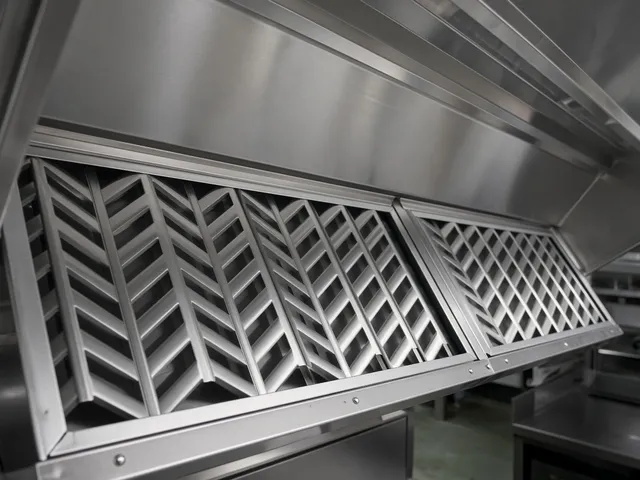
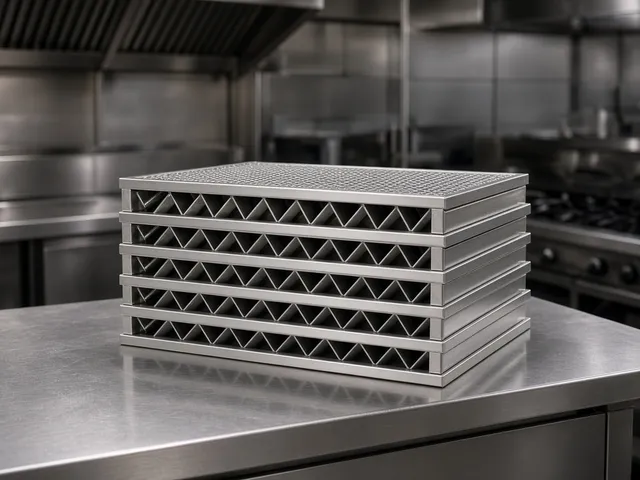
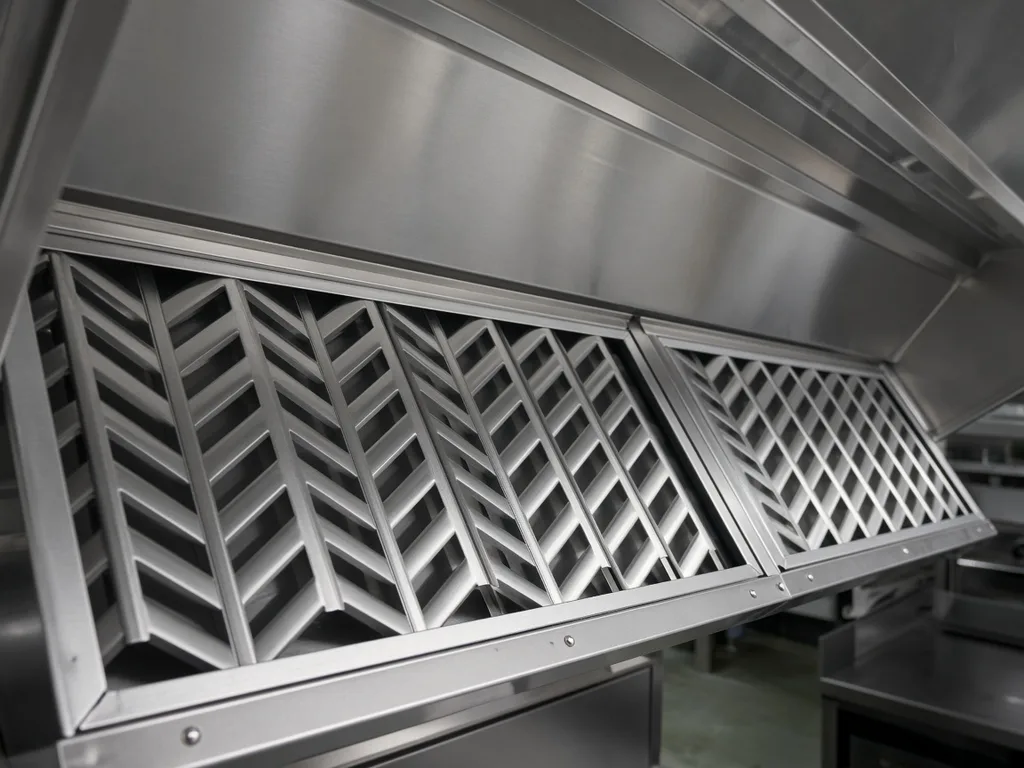
Baffle filters use a series of interlocking metal channels. Grease-laden air is forced to change direction sharply. Heavier grease particles hit the metal, drain toward collection points, and cleaner air continues to the exhaust fan. Compared with mesh, baffles usually hold less combustible lint-like buildup in the airstream path and are easier to clean thoroughly.
Why kitchens prefer baffles
- Strong grease separation for fryers, grills and ranges
- Durable stainless construction
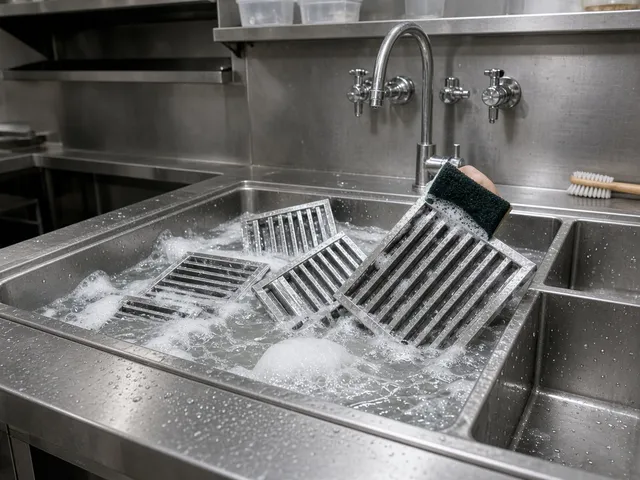
- Compatible with soak tanks and many filter washers
- Widely specified on listed Type I canopy hoods
Limitations
- Heavier than mesh; use two hands and watch for hot grease drips
- Must fit the hood slot depth and width correctly
- Still need a disciplined cleaning schedule
Typical costs
| Size / duty | Typical US unit price |
|---|---|
| Common 16×20 / 20×20 baffle | $35–$75 |
| Heavy-duty or oversized baffle | $60–$120 |
| Full hood set (4–8 filters) | $150–$700+ |
See the cost guide for drivers and quantity discounts.
Frequently asked questions
Are baffle filters required?
Many listed Type I hoods are designed for baffle-style grease filters. Follow the hood manufacturer's specifications and your local authority having jurisdiction.
Can I wash baffles in a dishwasher?
Many stainless baffles tolerate commercial dishwashers or dedicated filter washers. Confirm with the filter maker, and never put heavily grease-caked filters into a machine that cannot handle the load.