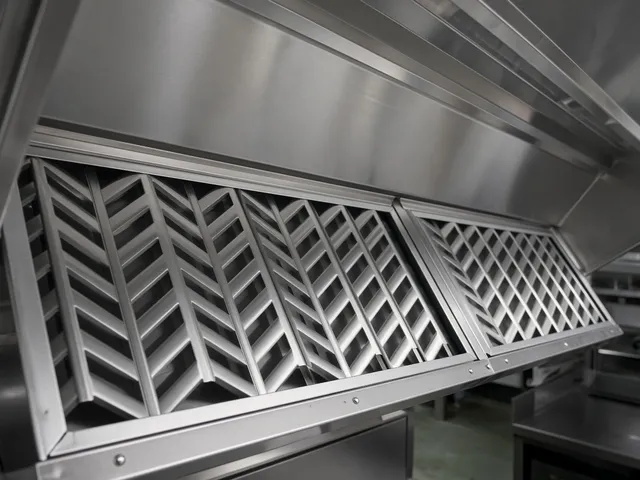
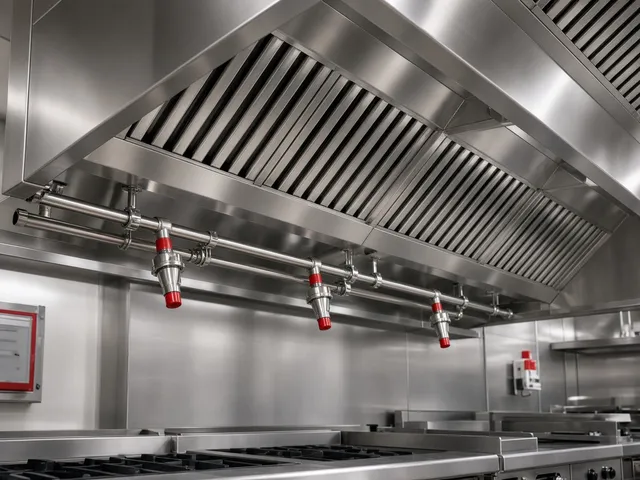
What makes a filter “high-efficiency”
Standard baffles separate grease by forcing air to change direction. High-efficiency designs add tighter baffle geometry, multiple stages or engineered media to catch smaller particles. Makers publish capture-efficiency figures from their own or third-party testing, so when you compare them, check the figures came from the same test method.
Where they can pay back
- Heavy charbroil, wok and solid-fuel lines that load ducts quickly
- Long or hard-to-access duct runs where professional duct cleaning is expensive
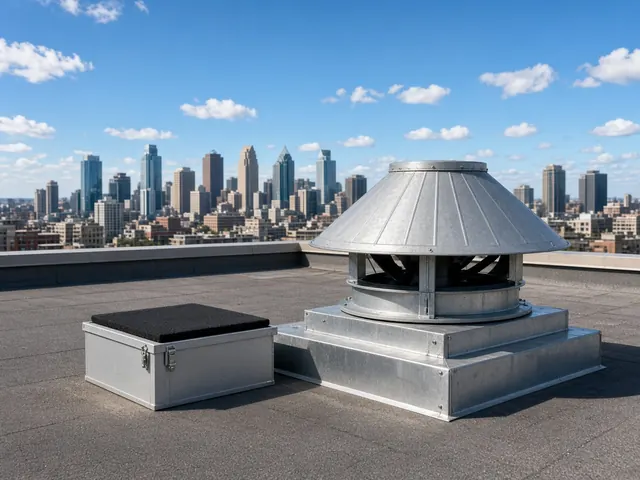
- Kitchens with rooftop grease problems (see grease containment)
Before you switch
- Check the listing. The filter must be listed for use in your hood. Grease filters for Type I hoods must be listed and labeled to UL 1046.
- Check airflow. Some designs add static pressure, and your fan has to handle it. Ask the hood maker or a mechanical contractor.
- Check the fit. Depth and mounting must match the channel.
- Run the numbers. Compare filter cost against your cleaning invoices with the cost calculator.
High-efficiency filters don't replace the inspection and cleaning NFPA 96 calls for. They may slow buildup, but your inspector decides the schedule.
Sources
- UpCodes: International Mechanical Code Section 507, Type I grease filters (accessed November 9, 2026)
- NFPA 96: Standard for Ventilation Control and Fire Protection of Commercial Cooking Operations (accessed November 9, 2026)
- UL Standards & Engagement (publisher of UL 1046, Grease Filters for Exhaust Ducts) (accessed November 9, 2026)
Frequently asked questions
Will high-efficiency filters reduce hood cleaning?
They may slow grease buildup in ducts. Cleaning frequency is still set by inspection results and your authority having jurisdiction.
Do they fit any hood?
No. Confirm the listing, dimensions and airflow compatibility with your hood manufacturer.