Where aluminum fits
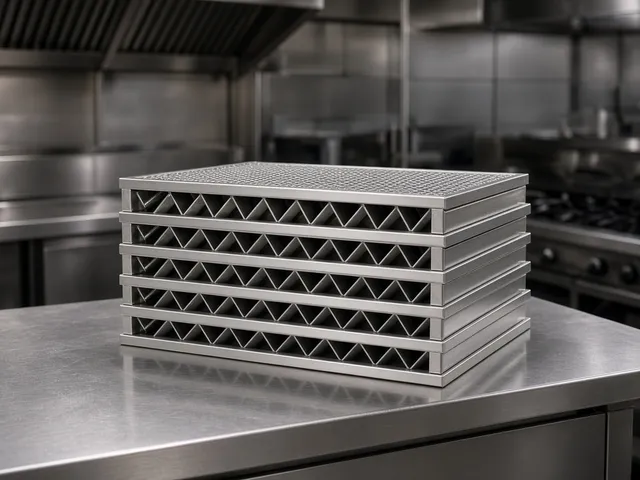
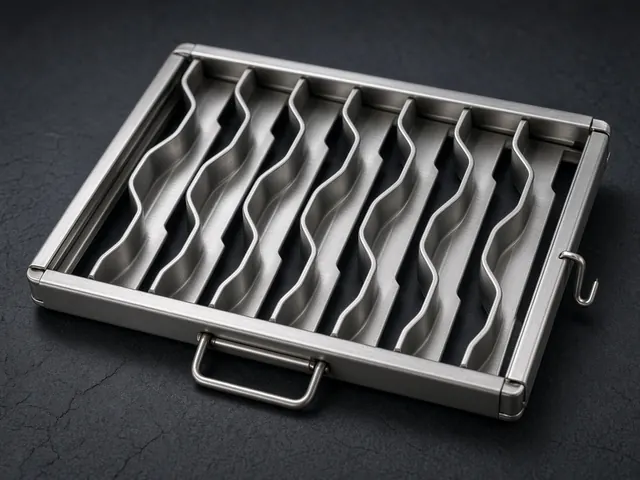
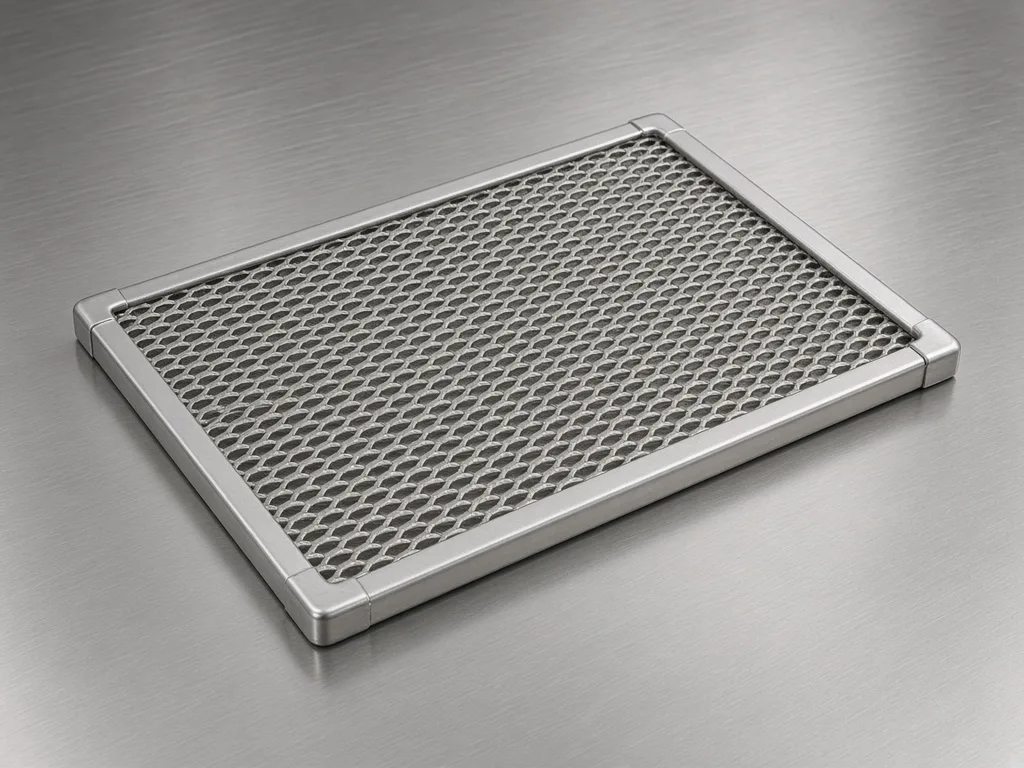
Aluminum filters come in baffle and mesh styles. Their main appeal is weight: staff can pull and carry them easily, and the purchase price is low. Lighter-duty kitchens that clean filters often and gently can get good service from them.
Trade-offs
- Chemistry: many strong alkaline degreasers and some dish-machine chemicals can dull, pit or corrode aluminum. Read the chemical label and the filter maker's instructions.
- Durability: softer frames bend more easily, which opens gaps in the bank.
- Mesh restrictions: NFPA 96 doesn't allow mesh filters unless they've been evaluated as part of a listed hood or listed grease filter assembly. Don't swap mesh into a hood listed for baffles.
Aluminum vs. stainless at a glance
| Aluminum | Stainless | |
|---|---|---|
| Upfront price | Lower | Higher |
| Weight | Lightest | Heavier |
| Chemical tolerance | Limited | Good |
| Typical service life | Shorter | Longer |
Most busy fry and grill lines end up cheaper over time with stainless steel. Use the cost calculator to compare.
Sources
- UpCodes: NFPA 96 grease removal devices in hoods (accessed November 9, 2026)
- UpCodes: International Mechanical Code Section 507, Type I grease filters (accessed November 9, 2026)
Frequently asked questions
Can aluminum filters go in a dish machine?
Some can, but check both the filter maker's guidance and the chemical label. Repeated high-alkaline cycles can damage aluminum.
Are aluminum filters UL listed?
Many are. Look for the UL 1046 listing mark on the filter, which the IMC requires for Type I hoods.