Why filters matter in a fire
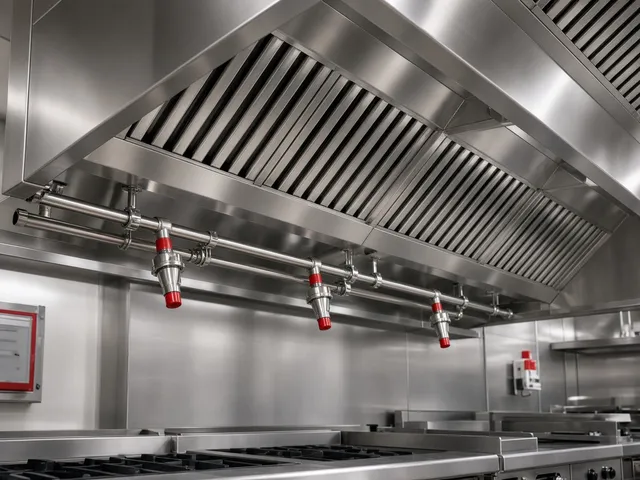
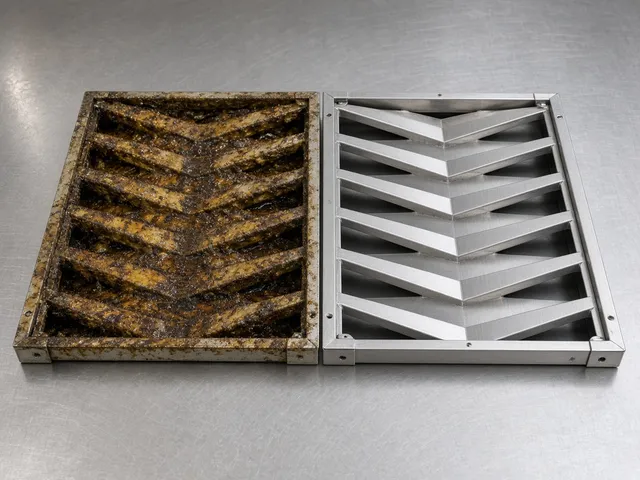
Grease is fuel. Filters that are packed with grease both feed a fire and choke the exhaust path that should remove heat and smoke. Missing filters let grease coat hidden surfaces where fires can run.
NFPA 96 in plain English
NFPA 96 is a widely referenced standard for ventilation control and fire protection of commercial cooking operations. Authorities and insurers often use it (or locally adopted versions) when setting expectations for hood construction, grease removal devices, cleaning and inspection. Exact obligations depend on what your jurisdiction has adopted and how it inspects.
Cleaning frequency concepts
Practice commonly ties hood and duct cleaning intervals to how much grease the operation produces—monthly for high-volume, longer intervals for lighter cooking—with filters inspected and cleaned much more often by staff. Use our cleaning frequency article as an operational starting point, then confirm with your cleaner and AHJ.
Filters are not the whole system
- Listed grease filters, properly installed
- Clean plenums, ducts and fans
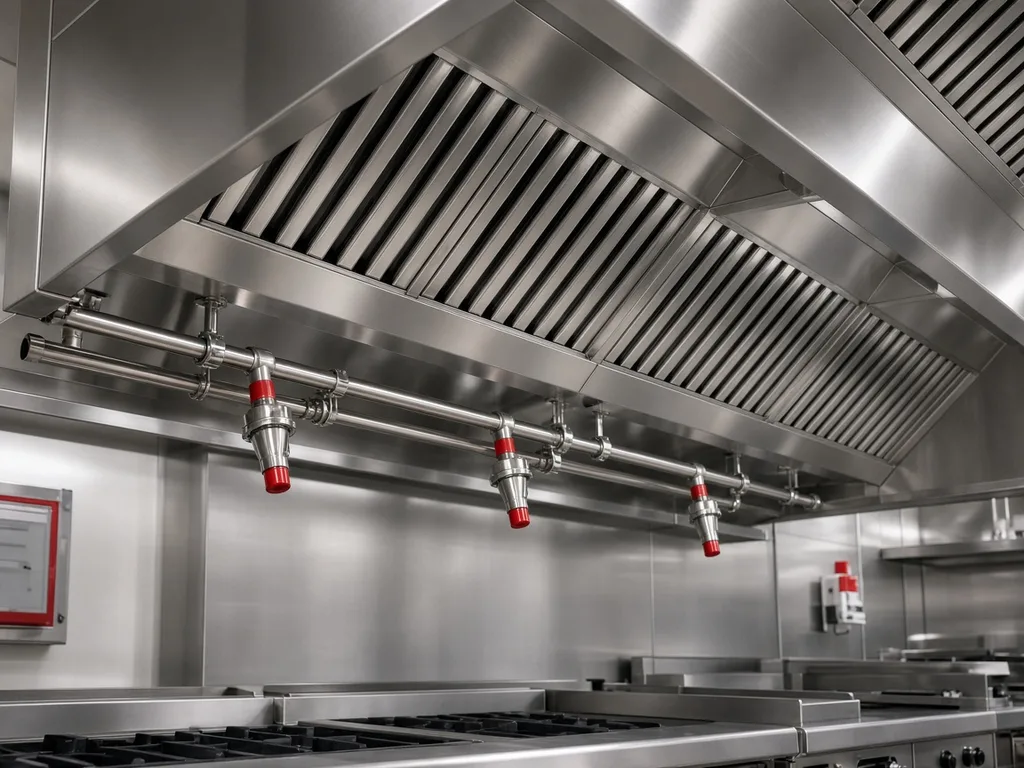
- Maintained fire-suppression nozzles and fusible links
- Trained staff who know the pull station and evacuation plan
Operator checklist
- Filters present in every slot during cooking
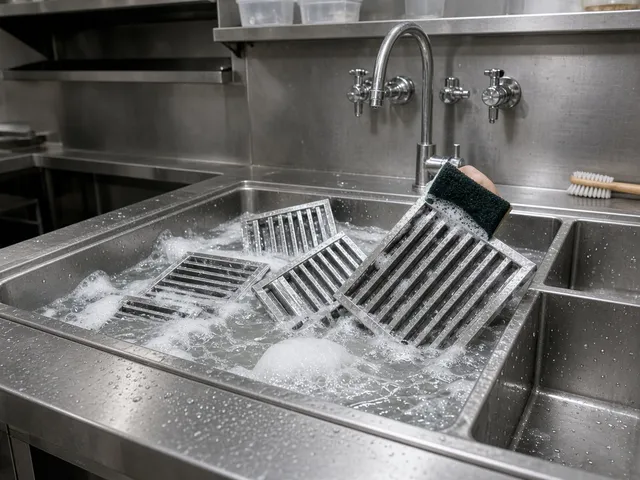
- Documented filter wash schedule
- Contract for professional hood cleaning
- Suppression inspected as required
- No DIY changes that void listings